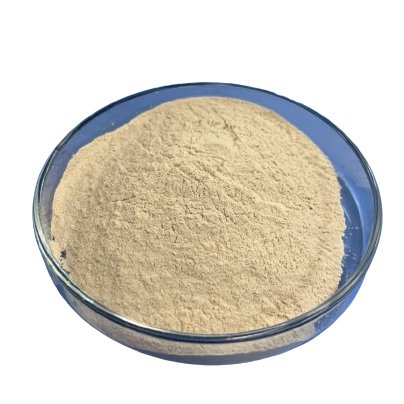
Production process of sodium hyaluronate API
1、 Upstream fermentation (strain+seed cultivation+fermentation tank cultivation)
a. Preservation and activation of bacterial strains
Select engineered strains of Streptococcus suis that have been domesticated, have low endotoxins, and low hyaluronidase; Slope activation, step-by-step expansion cultivation (shaking bottle → primary seed tank → secondary seed tank), to ensure the purity of the bacterial species and prevent contamination by miscellaneous bacteria.
b. Fermentation tank cultivation (core, determining molecular weight)
Culture medium: glucose (carbon source), yeast powder, inorganic salts, trace elements;
Control conditions: temperature 35-37 ℃, pH 6.8~7.2, Adequate dissolved oxygen; Low shear stirring (excessive shear force can break HA macromolecules and reduce molecular weight); Fermentation cycle is 24-48 hours;
Fermentation endpoint judgment: The viscosity of the fermentation broth no longer increases, and fermentation is stopped.
2、 Downstream separation and purification (API focus, removing bacterial cells, proteins, nucleic acids, endotoxins)
a. Bacterial inactivation and solid-liquid separation
Sterilize and inactivate the bacterial cells in the fermentation broth first; Further plate and frame filtration/disc centrifugation+deep filtration to remove bacterial residue and insoluble substances, resulting in a clear filtrate containing HA.
b. Crude purification (removal of protein and nucleic acid)
Enzymatic hydrolysis+precipitation: adding protease to decompose the impurities produced by fermentation; Then, cationic surfactant (CTAC) is used to chelate and precipitate HA, and the HA complex is separated from small molecule impurities; Further dissociate to obtain HA aqueous solution.
c. Ultrafiltration/wash filtration (TFF tangential flow membrane filtration)
Using ultrafiltration membrane to intercept large molecules of hyaluronic acid and filter out small molecule impurities, residual salts, nucleic acids, and some endotoxins; Multiple water washing and replacement significantly reduce impurity content, which is a key process for injection grade API.
d. Refined and converted into sodium salt
Ion exchange further removes endotoxins and pigments; Adjust pH neutralization to convert hyaluronic acid into sodium hyaluronate.
e. Alcohol precipitation and dehydration
Add ethanol/isopropanol, and sodium hyaluronate precipitates as white fibers; Organic solvent washing to remove moisture and residual impurities.
3、 Drying, crushing, and packaging
-Vacuum drying/freeze-drying (* * cannot be subjected to high temperature * *, high temperature will degrade molecular weight);
-Grind to obtain white powder;
-GMP clean area sterile packaging and sealing.
4、 Finished product quality inspection (required for API release inspection)
Pharmacopoeia items: identification, content, characteristic viscosity (molecular weight) pH、 Dry weight loss, heavy metals, proteins, nucleic acids, microbial limits; Injection grade additional strict control of bacterial endotoxins.
5、 Process characteristics (API level)
a. Controllable molecular weight: Through fermentation conditions, shear control, and controllable degradation, targeted production of high molecular weight, medium molecular weight, and low molecular weight specifications is achieved;
b. High purification threshold: endotoxins, proteins, and nucleic acids are the biggest watershed between API and cosmetic grade HA; There are more purification processes for injection/ophthalmic API;
c. Process weakness: High molecular weight HA is sensitive to shear and high temperature, and the shear force must be controlled throughout the entire process;
d. Solvent residue control: Organic solvents such as ethanol and isopropanol must comply with pharmacopoeia residue limits.