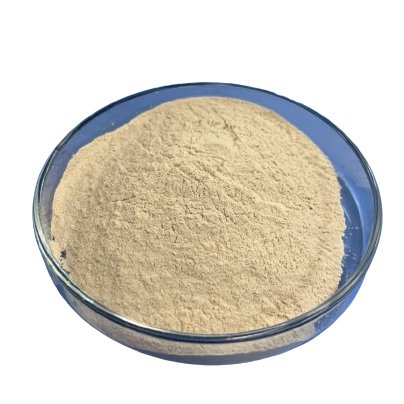
Sodium Hyaluronate API (Sodium Hyaluronate API) Main Applications
- Ophthalmic preparations (eye drop grade API)
a. Sodium hyaluronate eye drops: artificial tears, moisturizing and lubricating the ocular surface, treating dry eye syndrome, corneal epithelial damage, and reducing dryness and foreign body sensation in the eyes
b. Ophthalmic surgery adhesive (polymer API): cataract, glaucoma, corneal transplant surgery; Inject into the anterior chamber to maintain surgical space, protect corneal endothelial cells, and reduce intraoperative tissue damage - Joint cavity injection (injection grade API)
Used for intra-articular injection of osteoarthritis (knee, shoulder, etc.), viscoelastic supplementation therapy: replenishing synovial fluid, lubricating joints, buffering pressure, protecting cartilage, reducing joint inflammation and pain, improving joint mobility - Postoperative anti adhesion preparations
For abdominal, gynecological and general surgical operations, apply it to the tissue wound during the operation to form an isolation hydrogel barrier and reduce the risk of postoperative adhesion between organs and peritoneum - Wound/skin topical preparations (gel, film, ointment)
Used for burn, trauma, and ulcer wounds. Create a moist healing microenvironment, moisturize, reduce inflammation, promote epithelial tissue repair, and reduce scar hyperplasia; Can also be used for mucosal injury repair - Soft tissue filling medical injection preparations (polymer injection API)
Medical beauty soft tissue filling (medical device raw materials), subcutaneous/dermal injection, used for wrinkle filling and soft tissue depression repair; Relying on viscoelasticity to support and shape, gradually degrading and absorbing in the body - Medicinal excipients (API can also be used as medicinal excipients)
As a moisturizing, tackifying and sustained-release matrix, it is added to all kinds of ointment, gel and mucous membrane drug delivery preparations to regulate the rheological properties of the preparations, extend the drug’s stay time on the wound/mucous membrane, and improve the efficacy - Other biomedical applications
Research and development fields such as tissue engineering scaffold materials, cell culture matrices, drug delivery carriers, etc